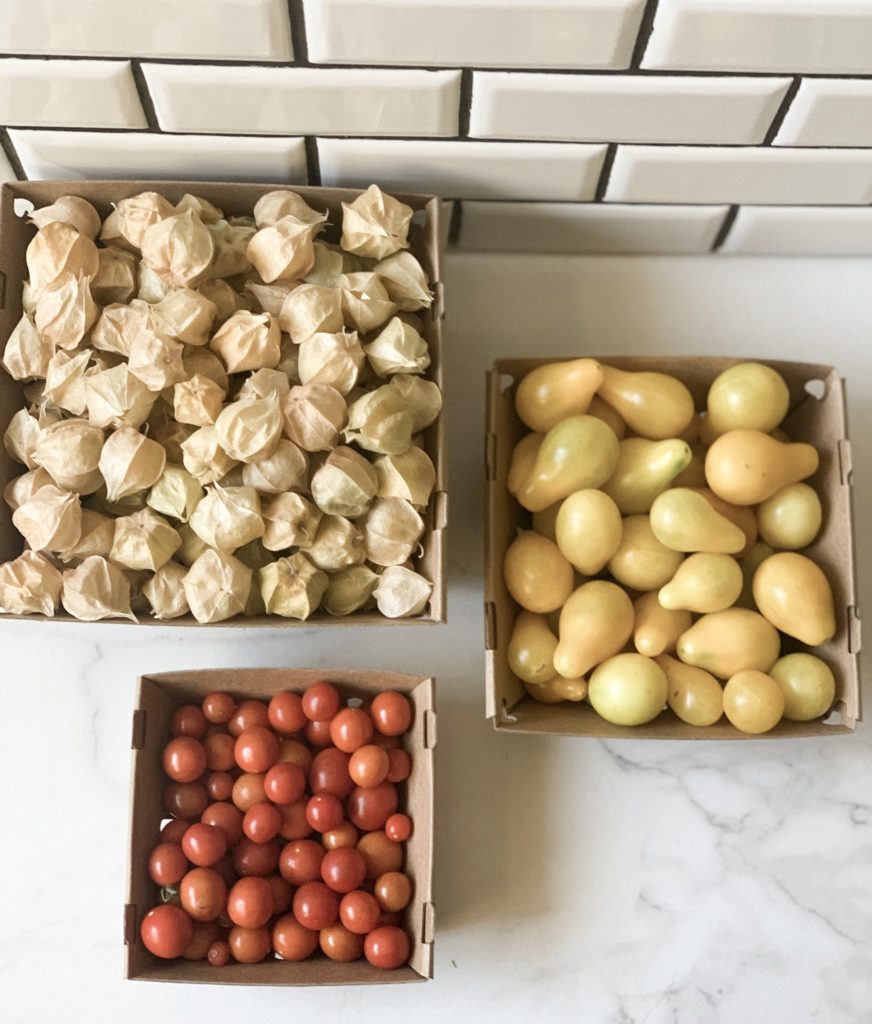
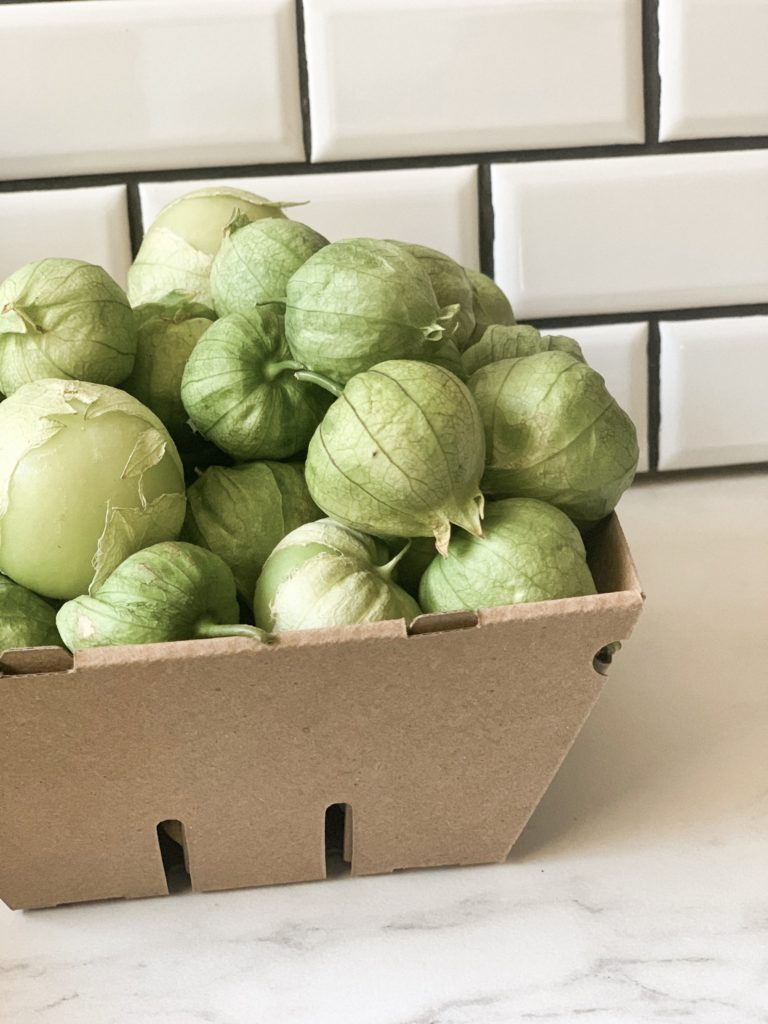
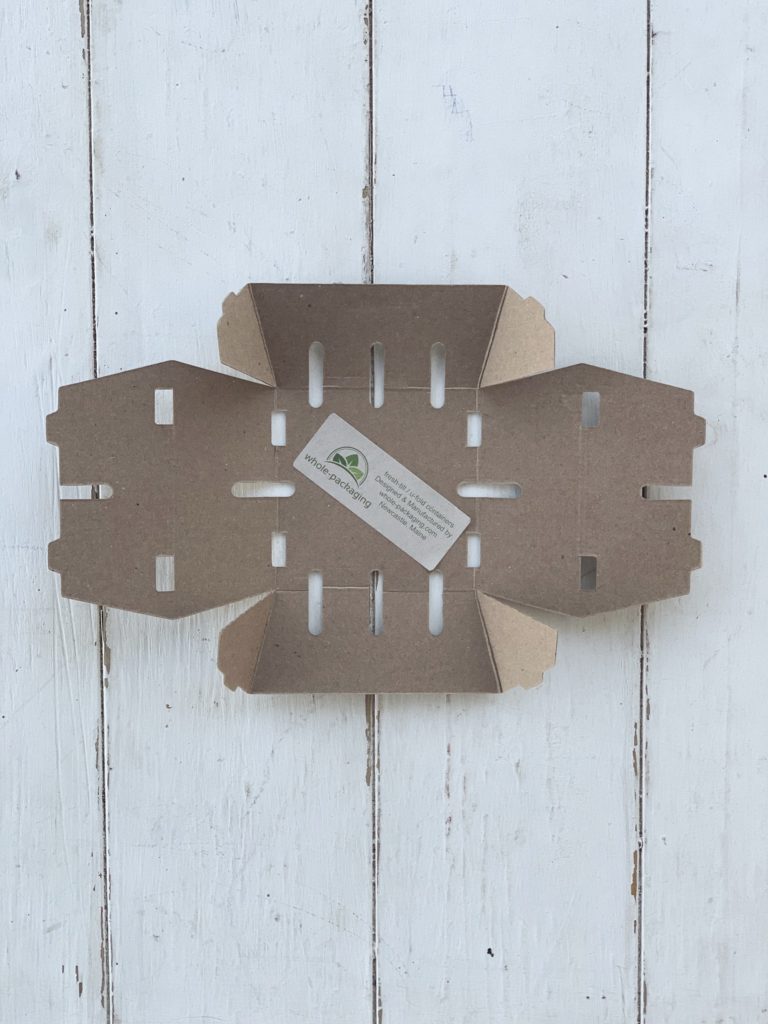
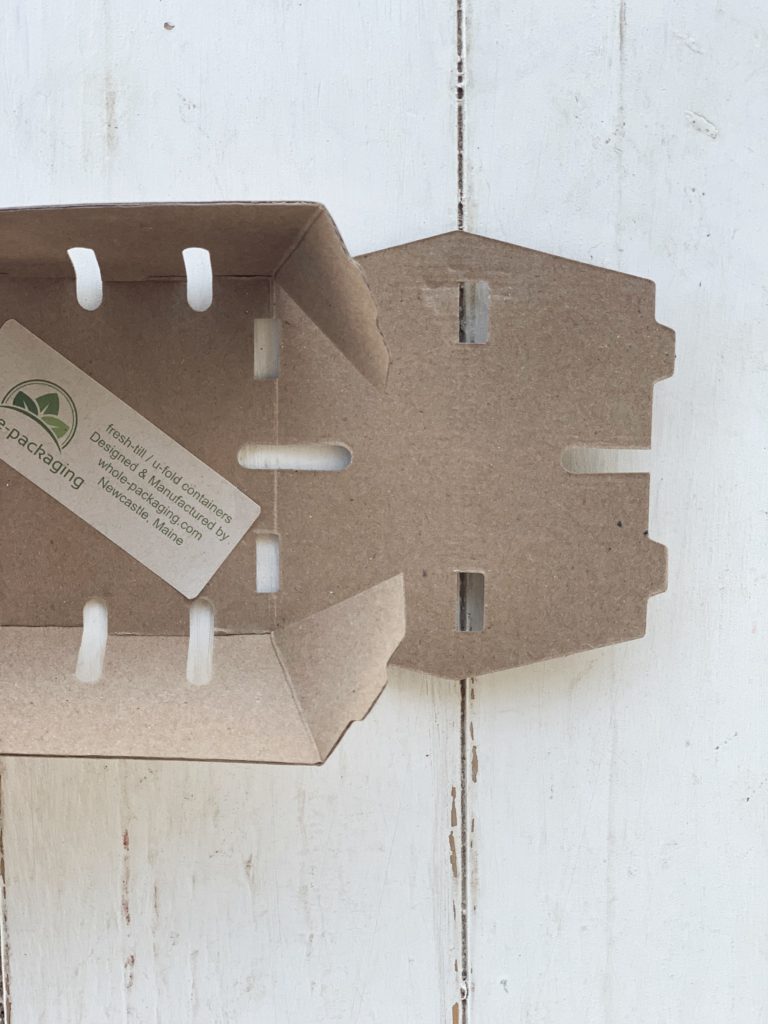
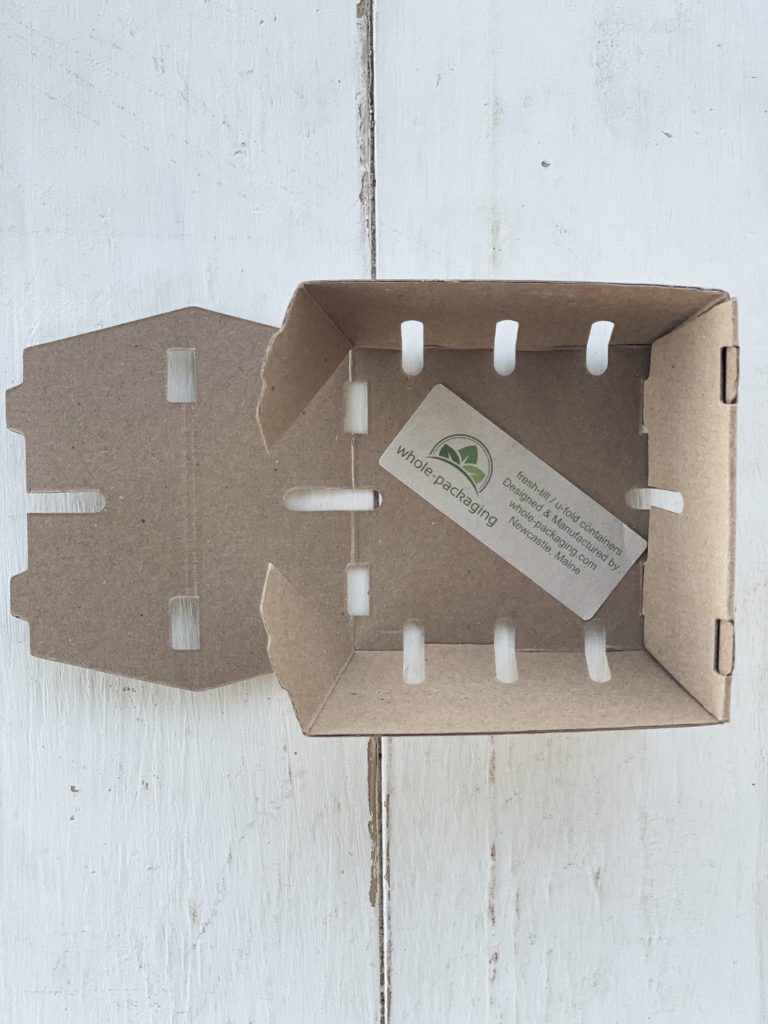
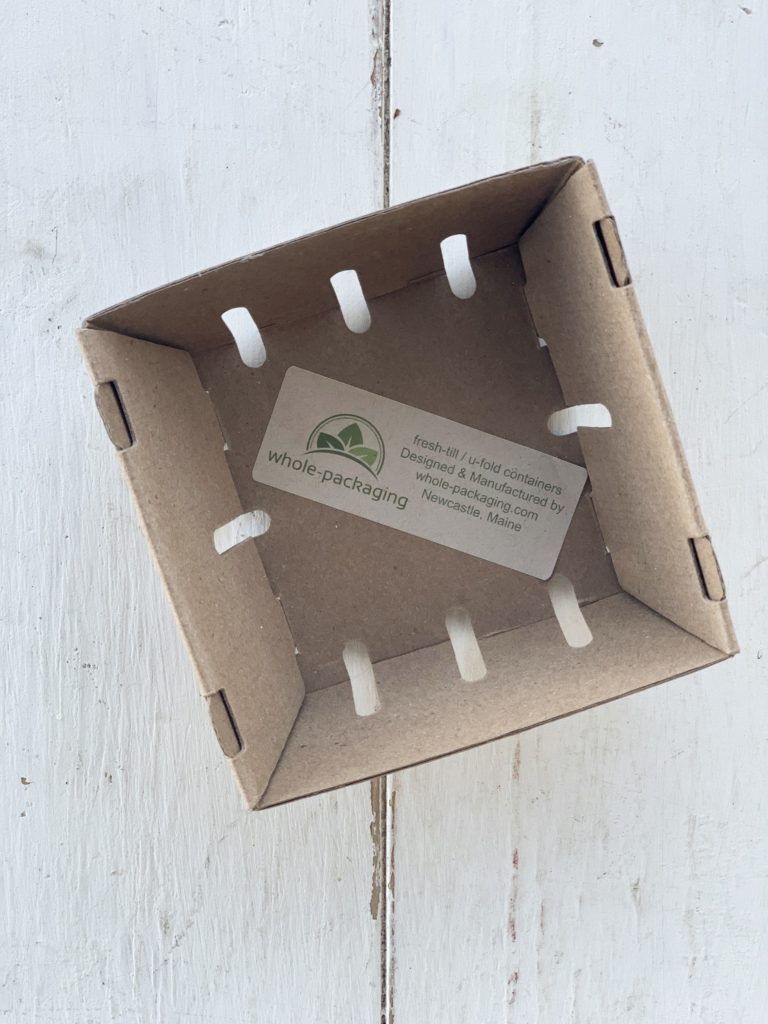
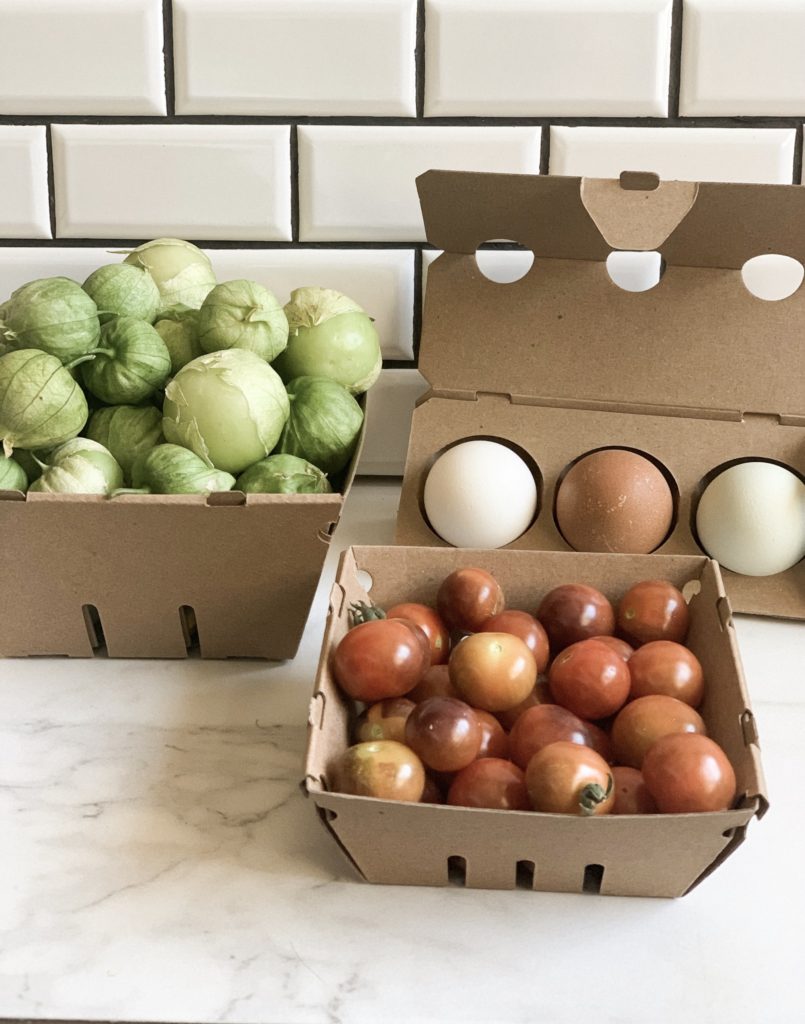
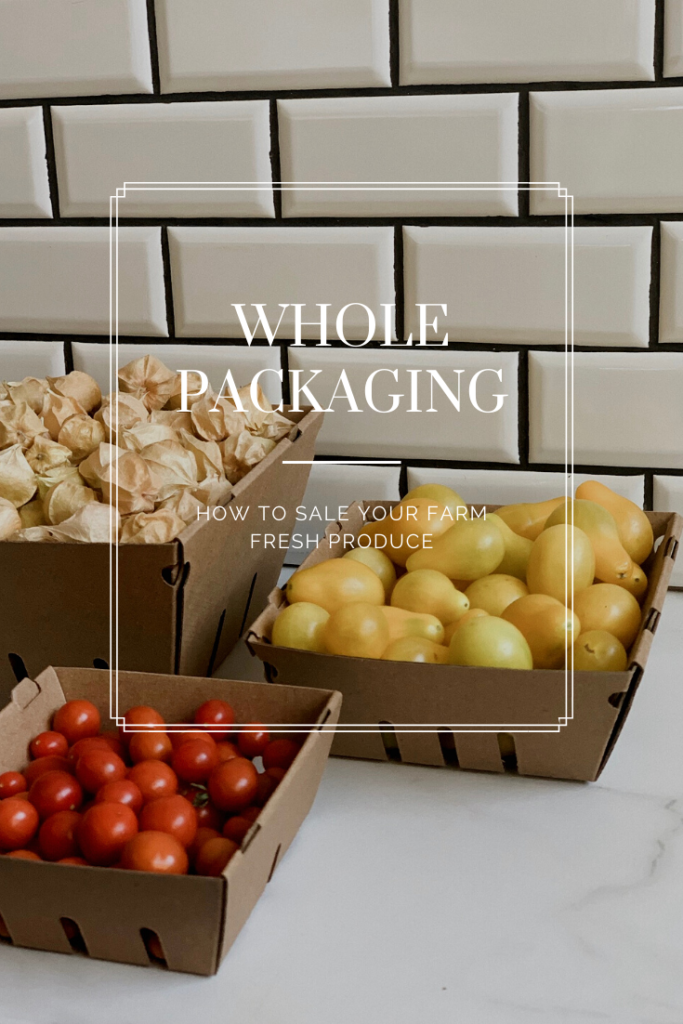
Farmers market and farm stand packaging, provide by Whole Packaging.
What do you do with your extra garden produce?
We love to giveaway as much as we can from our garden to family and friends, but we also wanted to start finding ways to provide income for our gardening essentials throughout the year. I decided it was time to invest in a little wood to build our own farm stand. Where we could start selling our extra homegrown produce to friends, family and neighbors.
I had no idea what I’d use for packaging, until I came across Whole Packaging on Instagram. I love how simple and practical their packaging is. It’s perfect for farmers market produce or even just a small front yard farm stand. My kids are already asking if they can fill a few pints with garden fresh goodies and host a lemonade stand. I mean how cute is that!
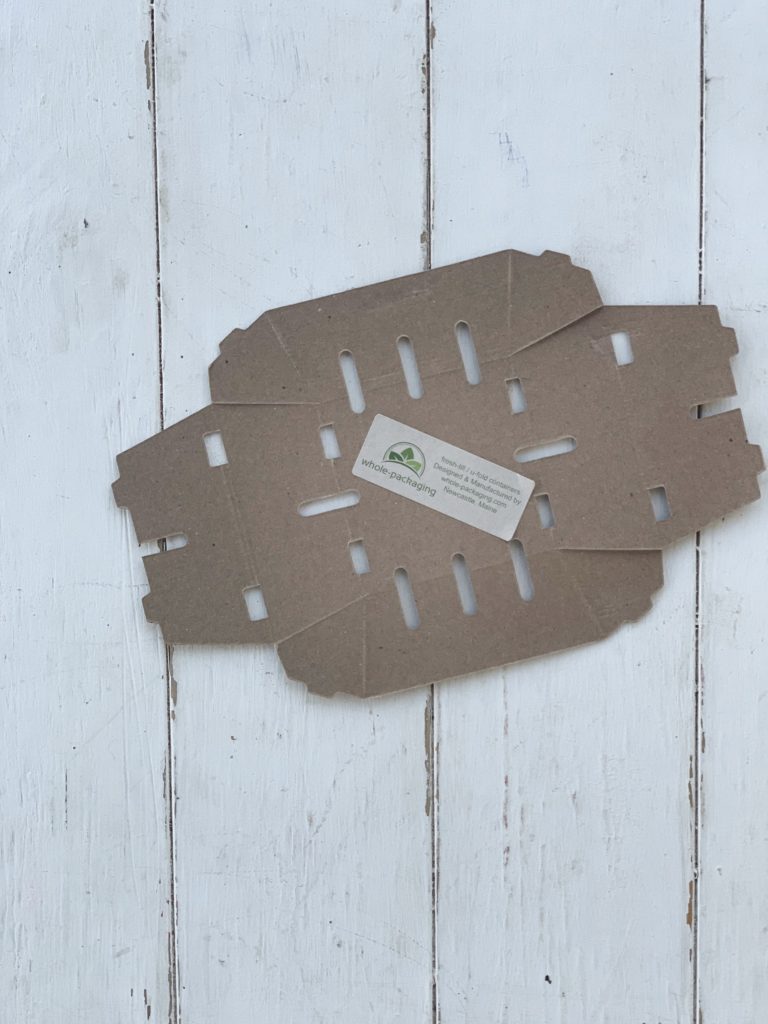
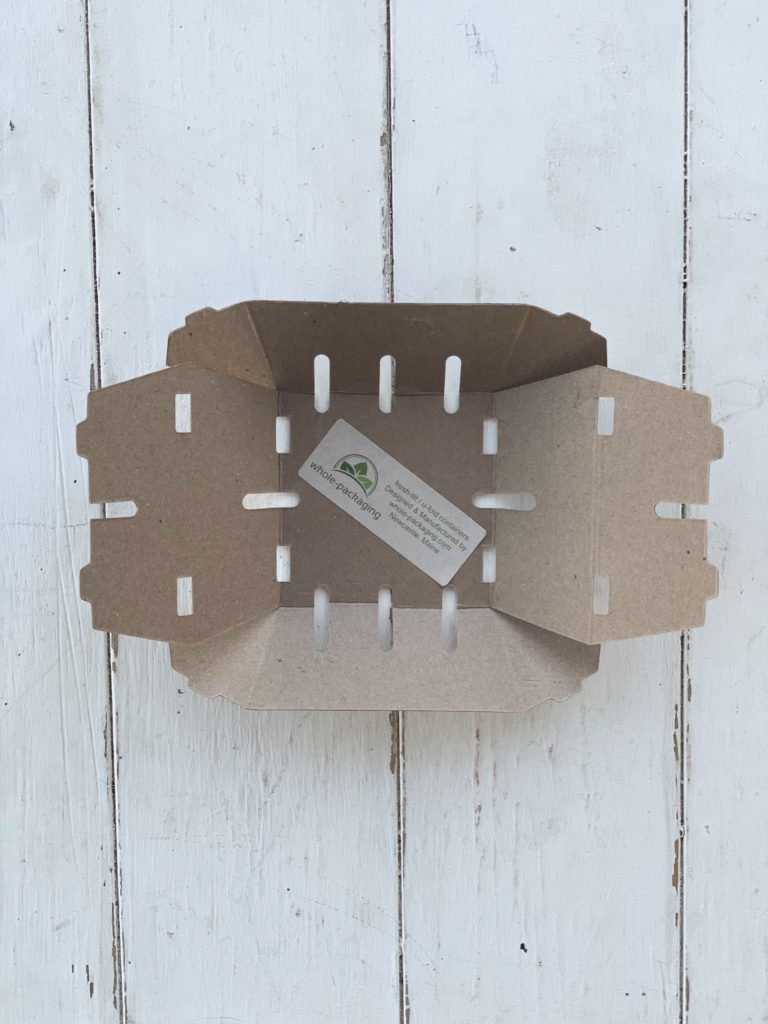
Whole packaging provides quantities of 25, with prices ranging from $4.50 – $7.50. Including half dozen egg cartons, 1/2 & full pints, as well as quart sizes. Whole packagings easy U-Fold cartons make it possible for us to display and sell our farm fresh produce with our community. Shop now for your farmers market packaging, at Whole Packaging!
Something I get asked about often is how do we manage rodent control. I know different states and cities have different rules so I have compiled a list of ideas to consider.
This post contains affiliate links, which means I make a small commission at no extra cost to you.
#1 Fencing
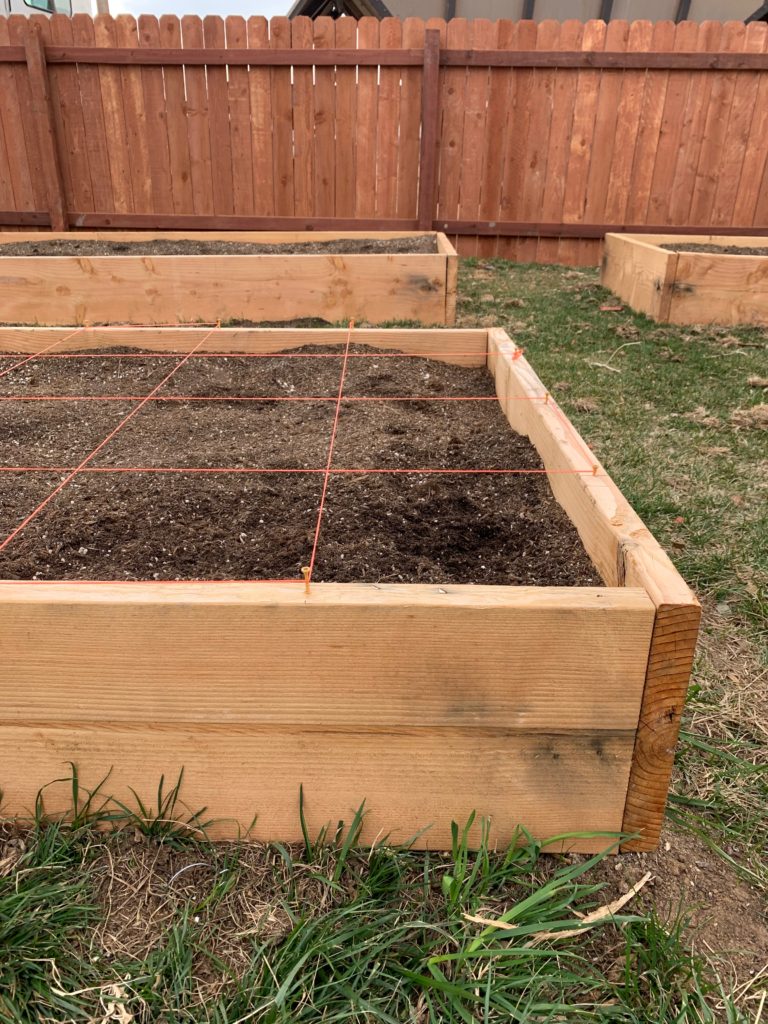
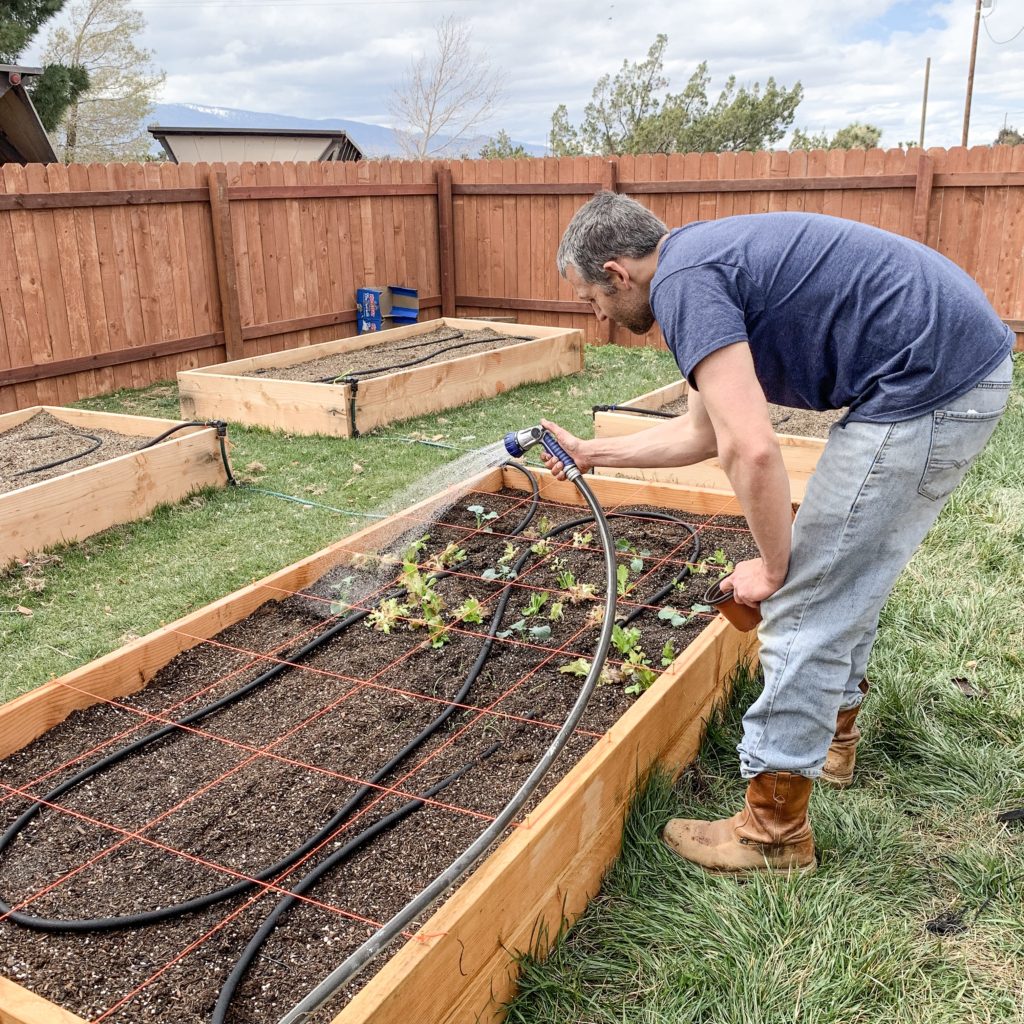
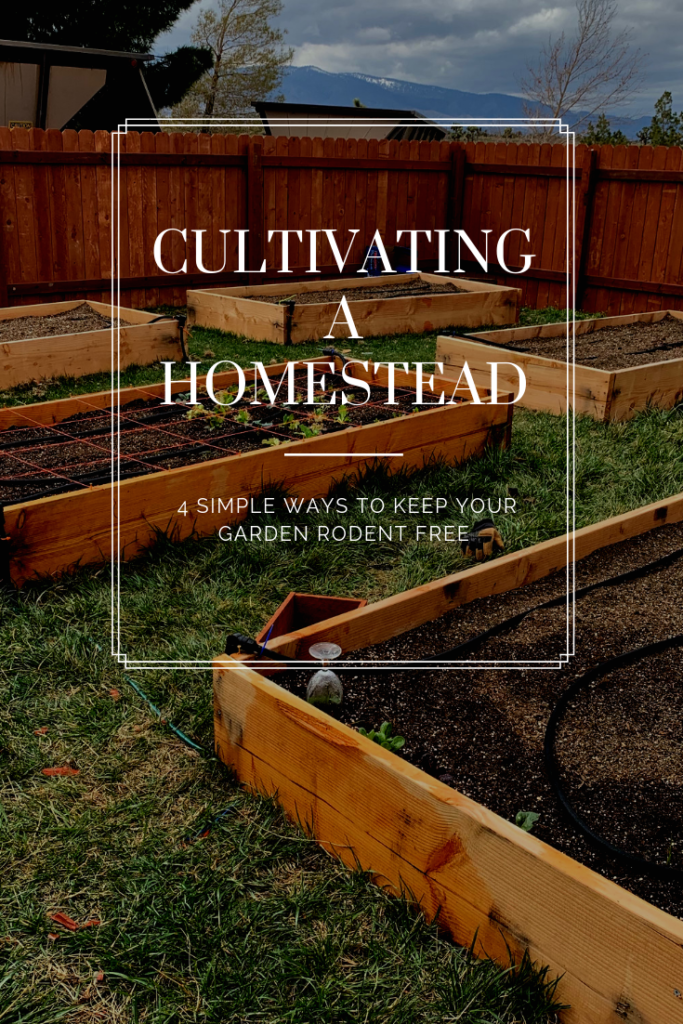
We added a Simple DIY privacy fence around our raised bed garden to keep out the local rabbit and squirrel population. When we bought our house the smaller backyard fence already had slats installed, which also helps keep the rodents from squeezing through or climbing over the fence and getting to our fruit trees.
#2 Traps
A few years ago we had a family of rats that decided to make there home in our garage and attic. Family suggested we put a marshmallow on top of the rat trap. To my surprise it worked almost instantly. Occasionally we catch a rabbit or squirrel, and a few birds. We also invested in a one door animal trap. Check your city and states rules about catch & release, as well as catch & kill rules.
# 3 Pellet Gun
If you live in a more rural part of town and the laws permit you can also use a pellet gun to get rid of the rodents in your yard.
# 4 Cats
Another great option is getting barn or outside cats. Consider getting them when they are kittens so they understand not to attack your chickens and other small birds. Also you may want to keep in mind they can turn your raised beds into a litter box. Plus we learned that cats invite other cats from the neighborhood over, and thats a whole lot of extra feed.
Pin It For Later!
What methods do you use to keep rodents out of your garden?
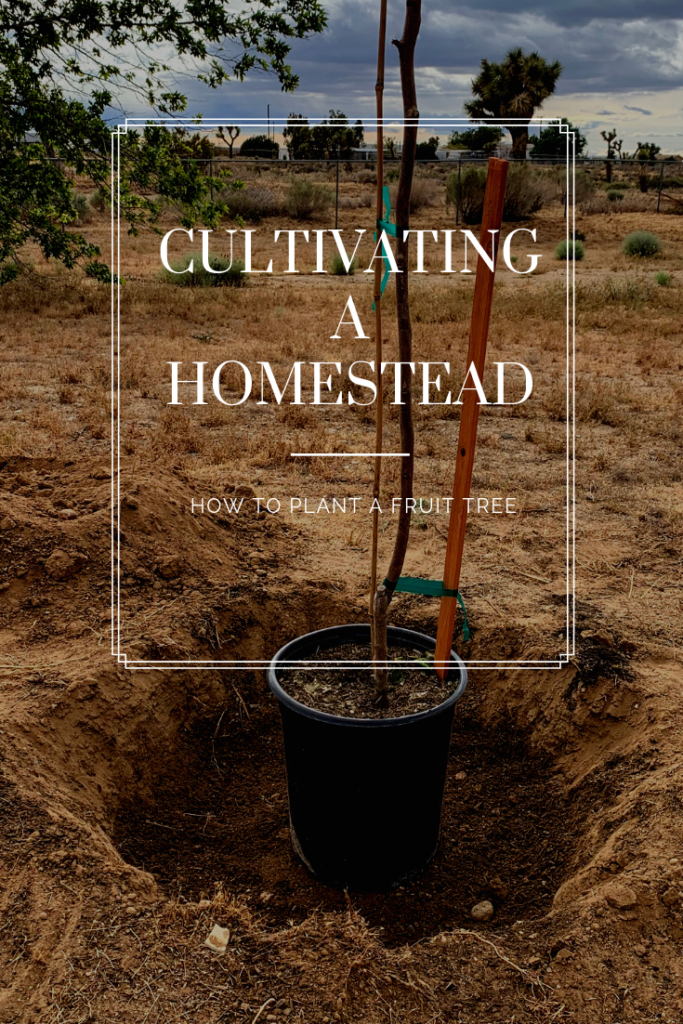
How to plant a fruit tree in 5 easy steps. A step by step photo tutorial for planting fruit trees.
Planting fruit trees is one of the best investments for your homestead and in my opinion one of the first steps in cultivating a sustainable lifestyle. Before planting that beautiful vegetable garden I hope you will consider adding fruit trees to your landscape. I know we regret not planting our fruit trees sooner!
This post contains affiliate links, which means I make a small commission at no extra cost to you.
Using a pick axe or shovel start digging.
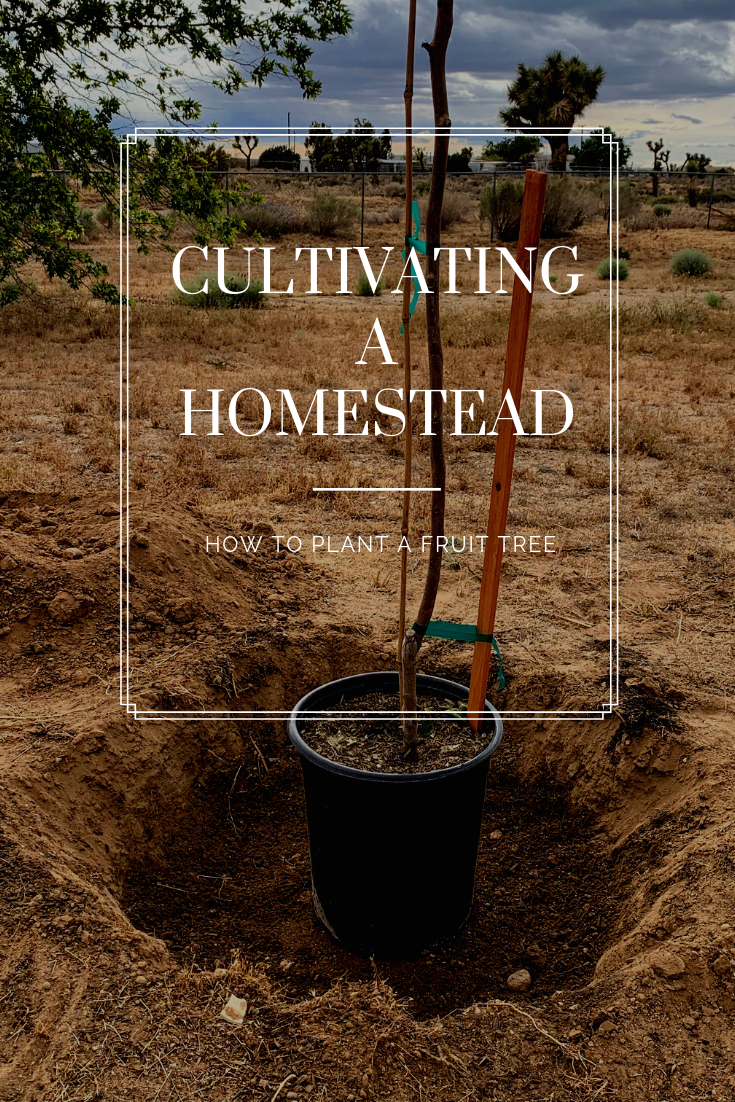
First you’ll want to consider proper sunlight, wind protection and irrigation. Keep in mind the saying “out of site, out of mind.” Once you have your new trees location, start digging. Using a pick axe or shovel dig a hole 2 to 3 times wide and deeper than the pot it came in.
Take the tree out of its pot and place on top of mycorrhiza + 50/50 soil mixture. Make sure that the top of the tree soil is level with the ground soil before back filling the hole.
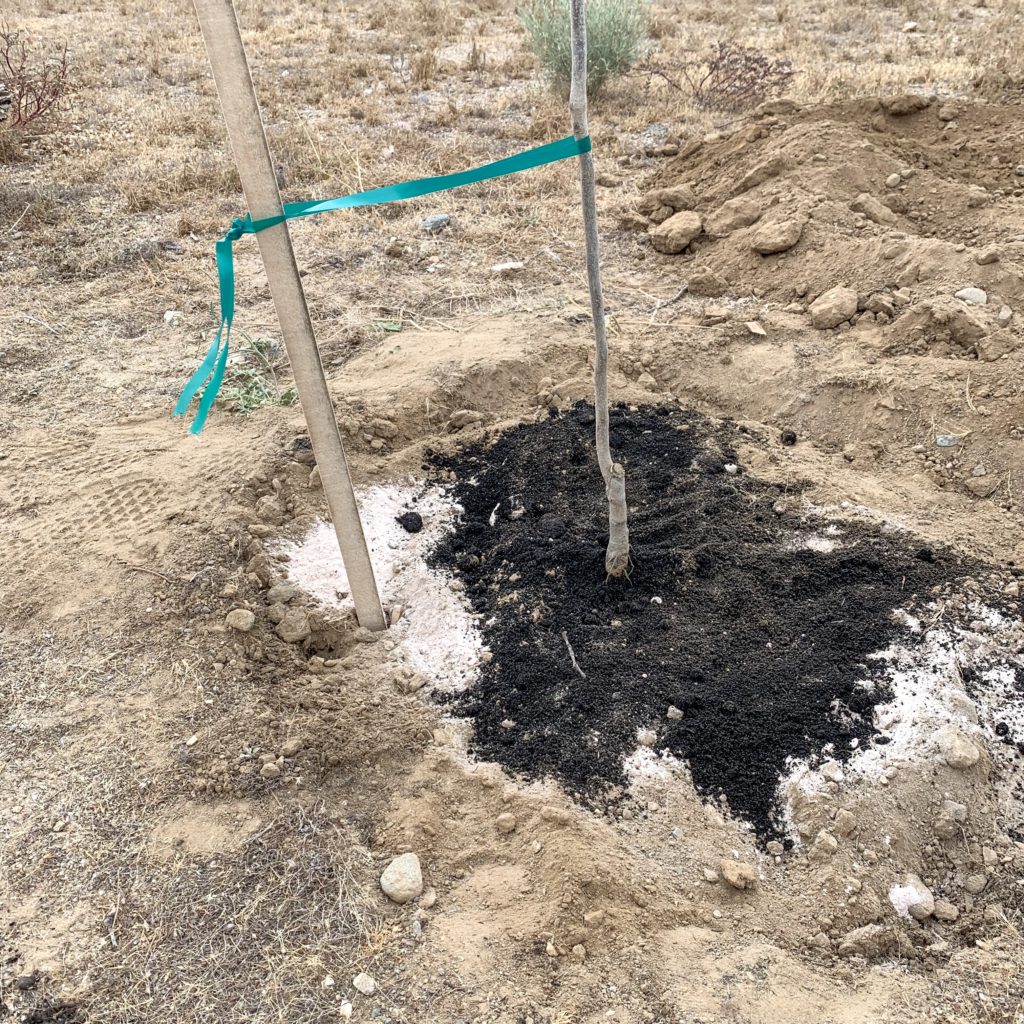
Add a 2 inch layer of compost, few handfuls azomite, and few handfuls of worm castings
With leftover dirt make a well or berm around the trees drip line.
With leftover dirt make a well or berm around the trees drip line(Furthest tree branches). You’ll want to water your tree right away with 4 times the amount of water then the pot it came in. For example, if your tree came in a 5 gallon pot, then it needs 20 gallons of water. We also like to add 1 oz of Neptune’s Harvest FS191 Hydrolized Fish & Seaweed at the time of watering.
I’m sharing 7 easy ways you can cultivate a homestead and a lifestyle of self- sufficiency.
Do you desire to live as naturally as possible and want to learn how you can utilize the space and resources available to you? Today I’m sharing 7 ways you can cultivate a homestead.
This post contains affiliate links, which means I make a small commission at no extra cost to you.
Food From Scratch
Let’s think about what your family eats in a week or month. How often are you eating out or reaching for packaged processed food? Start small! Scale back on the number of times you eat out and instead pack a lunch to go. The key to this is planning ahead. If you know you’ll be away from the house all day, then packing a lunch or picking up some healthy options at the store are a great idea.
Instead of ordering pizza with friends or meeting at a local restaurant try planning to hang out at your house and make a easy dish like spaghetti or chicken alfredo. You can even plan ahead the night before by making an extra dinner for lunch tomorrow.
If you are meeting at family or a friends house, you can stop by a grocery store on the way. Look for something that will go far and everyone will like. Salad, broccoli cheddar soup, chicken and veggies, tacos, or sandwiches.
Next lets look at the foods you reach for regularly, are they processed snacky foods? Instead of chips and dip try making homemade salsa or grab some peppers and hummus. Incorporate more fruits and veggies, no bake energy bars or nut and seed mixes. This is easier if you mostly shop the perimeter of the store.
Fermented Foods
Fermented foods like sourdough, sourkraut, yogurt and kombucha are fairly easy and great for gut health. Sourdough starter is my personal favorite. You can make anything from sourdough bread to pizza crust,pancakes, english muffins, flat bread, cinnamon rolls and more.
Sourkraut, yogurt and other fermented foods are full of yummy gut healthy probiotics your body needs to improve digestion. Fermented foods can also boost your immune system, plus aid in maintaining a healthy weight. Fermenting can seem overwhelming but I encourage you to try it out and see how easy it truly is to ferment your own food. Start with something you know your family will love, for us that was bread.
Grow Your Food
I know not everyone has access to gardening and growing there own food. You may live in apartment complex or maybe you know nothing about gardening and keeping a plant alive. My advice, again start small. Try a few herbs in your window seal.
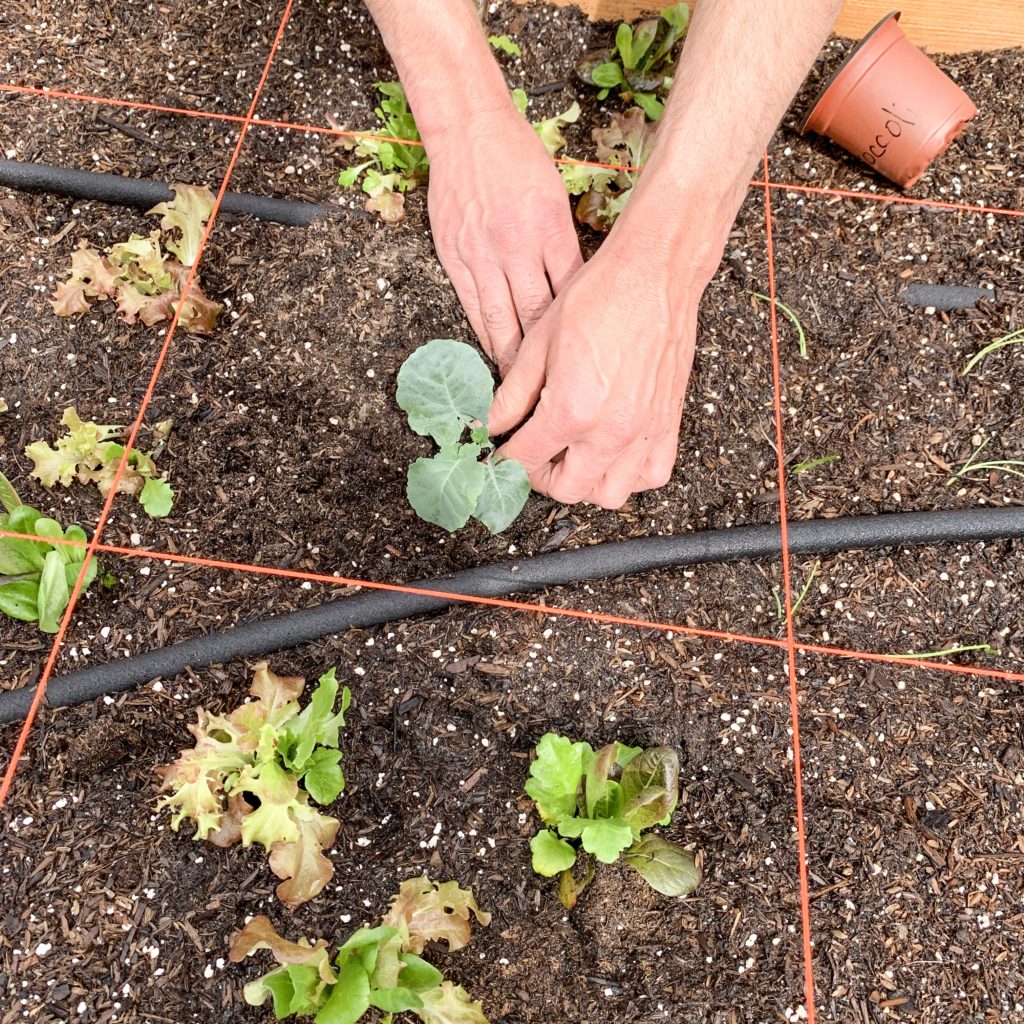
Another great way to grow your own food that requires no gardening experience or soil is sprouting seeds. You can pick up a mason jar sprouting kit at your local health food stores or order them online. Things like broccoli, sunflower shoots, micro greens, bean sprouts or salad mixes are easy and quick.
Growing indoors under an LED light is also a great option for those with little room and no prior gardening experience. Place your plants or seed starters under a grow light and watch them thrive. I recommend starting with salad mixes.
Chickens
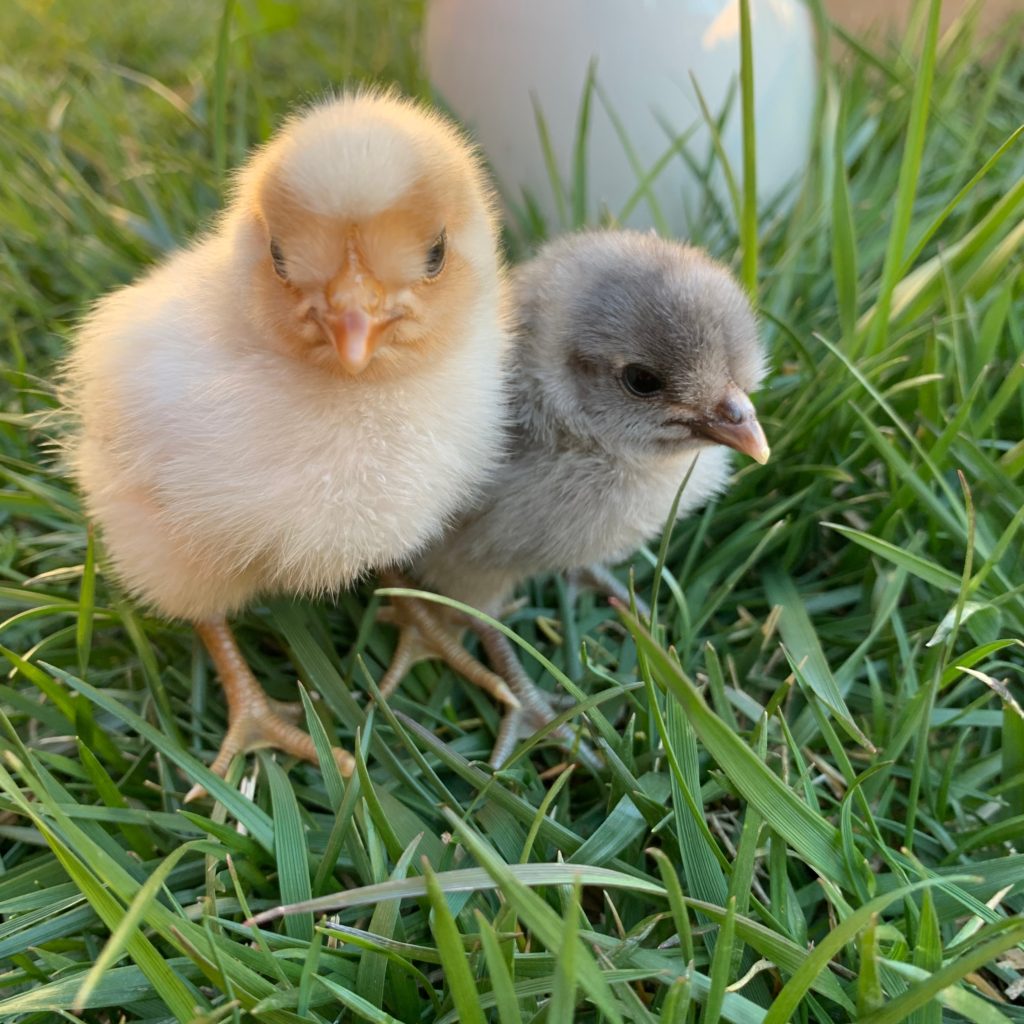
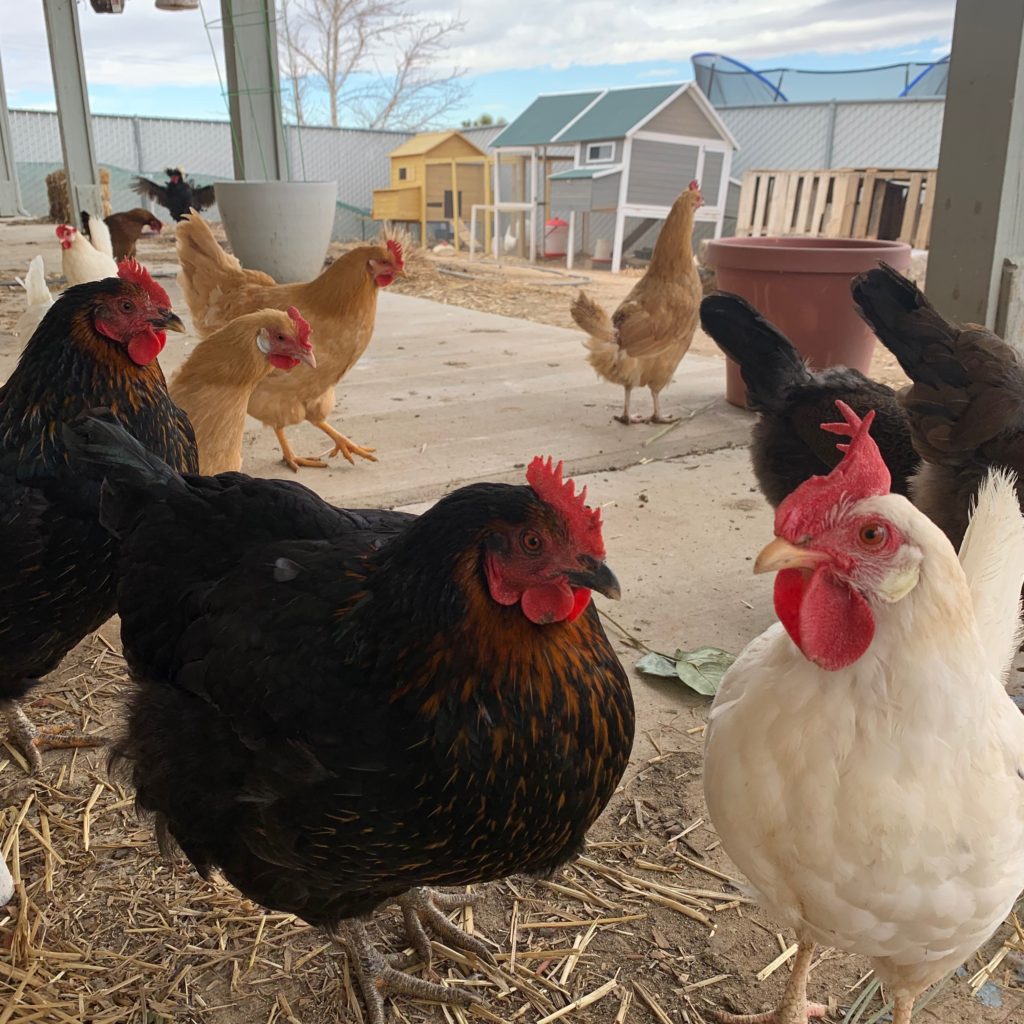
If you have any land at all and are able too, I highly recommend getting chickens. You can get full grown chickens from your local feed store if you don’t want to wait for them to start laying. I started with baby chicks from tractor supply, with no prior experience. There are plenty of amazing resources available to teach you everything thing you need to know. Pinterest was a big help for us when we came across anything we were unsure of.
Milking
Now that we have dipped our feet into homesteading, raising chickens and growing our own vegetables, we are moving onto milking animals. I have always wanted to own a cow but right now that is unrealistic for our family. We are doing our research on goats and the different milking breeds available.
Consider your families milk needs and if you will be able to put the time and attention into caring for a milking goat. You’ll want to consider housing and feed costs. It’s easy to obtain the animals needed for a homestead but not as easy to upkeep them. Also be sure to consider vacation time and hiring someone to care for your homestead while you are away.
Handmade Home
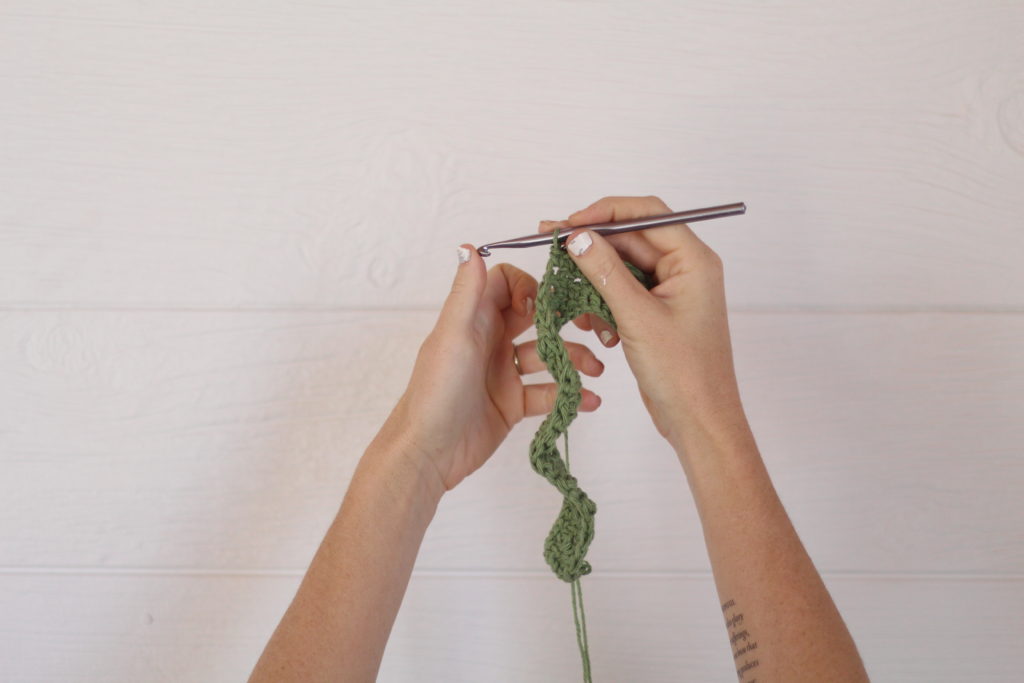
This one is actually one of my favorite aspects of a homesteading lifestyle. Think Pinterest! You know all those pretty pins you have saved, go through them and start digging into different hobby’s. Things like crochet, knitting sewing, candles, soap making, embroidery, and weaving.
I like to crochet washcloths for our kitchen and bathrooms. If you have a milking goat consider making cheese, lotion or soap. Embroidery makes great gifts or decor as well as weaving.
From The Wild
You may have to get very creative here but its definitely doable. I like to take cuttings of eucalyptus and olive trees to use in arrangements around the house when there aren’t any fresh flowers available. There are a number of things you can make with dandelions. Like syrup, salves, soap, tea, infused oil or honey. Speaking of honey, bees are a great addition to the homestead. They require little work and provide your family with a regularly used sweetener for the homestead.
If you enjoy yarn crafts you can use nuts and plants to dye your yarn. Collect herbs and vegetables depending where you live. Fishing or hunting. Even bugs are usually pretty easy to find and make great feed for chickens and ducks. Start a mealworm farm or simply collect caterpillars from the garden and feed to your flock.